Global Migration Film Festival 2025 in Tijuana Marks International Migrants Day Through Film and Dialogue

On December 18, the Global Migration Film Festival (GMFF) brought stories of movement, belonging, and connection to Tijuana (México), creating a shared space for reflection through cinema on International Migrants Day. 

Organized by the International Organization for Migration (IOM) in Mexico, with the participation of USA for IOM, the special screening in Tijuana gathered community members, cultural leaders, civil society organizations, and government representatives for an evening centered on storytelling, dialogue, and collaboration. Through film and panel discussions , the event highlighted how art and culture can open doors to understanding, to new perspectives on the challenges and complexities of migration, and strengthen connections across sectors and communities.

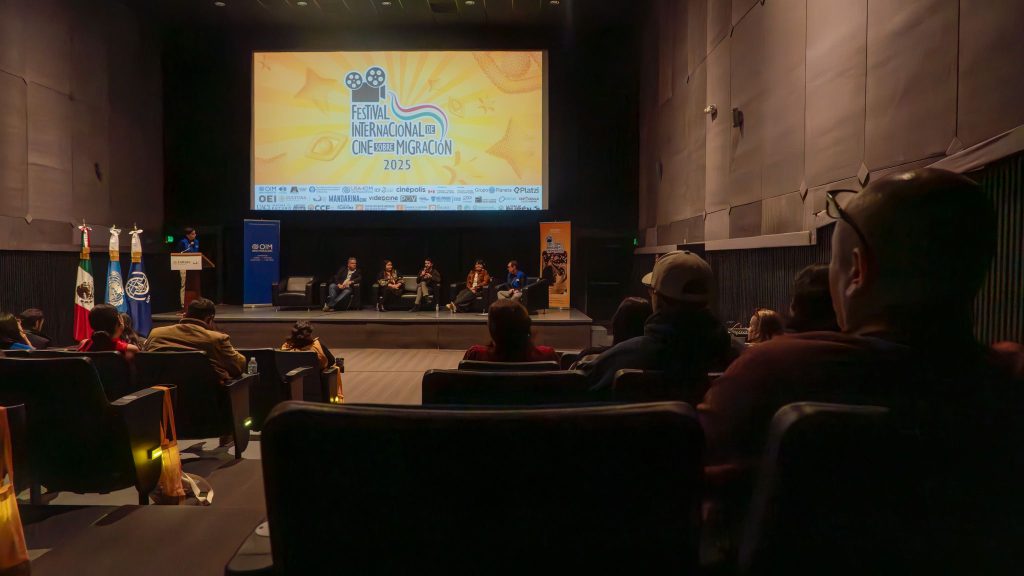
The panel and special GMFF screening on December 18, held as part of the Global Migration Film Festival in Mexico at the Cineteca Carlos Monsiváis del Centro Cultural Tijuana (CECUT). Photo: IOM/ Karla Garcia, 2025.  

The Power of Storytelling 

For USA for IOM, participation in the Global Migration Film Festival reflects a longstanding commitment to storytelling as a way to inspire connection and action. Events like GMFF offer a powerful platform to bring people together around lived experiences, to raise awareness and build partnerships. 

Representing USA for IOM at the event, Luciano Arroio, Operations Officer, spoke about the importance of cultural spaces that invite dialogue and collaboration. 

“The Global Migration Film Festival creates a unique space where stories bring people together,” Arroio said. “GMFF Mexico demonstrates how partnerships across culture, civil society, and international cooperation can spark meaningful conversations and strengthen the connections that help communities move forward together.” 

An Evening at CECUT 

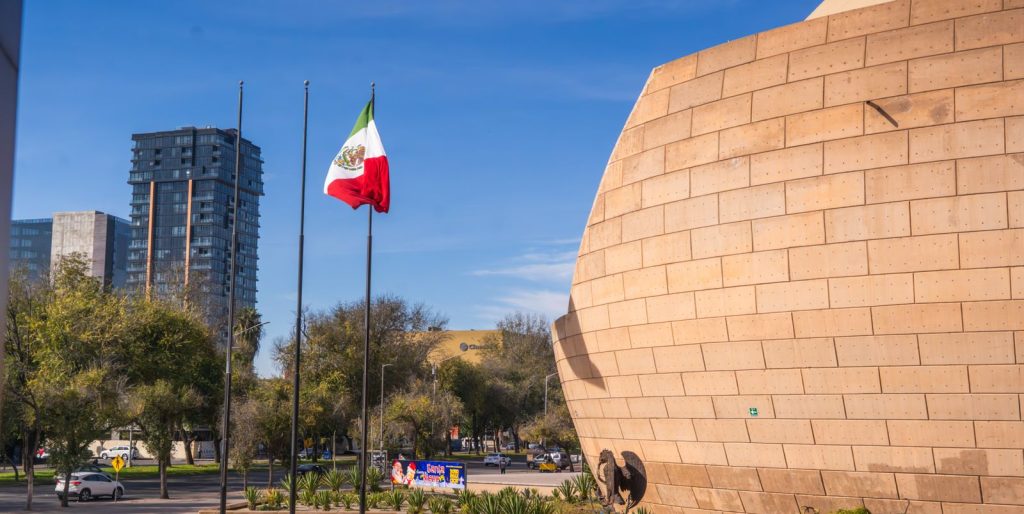
The event was hosted at the Cineteca Carlos Monsiváis del Centro Cultural Tijuana (CECUT), one of the city’s most recognized cultural institutions. The setting itself—both welcoming and symbolic—underscored the role of arts and culture in creating spaces for dialogue and community engagement. 

Centro Cultural Tijuana (CECUT).

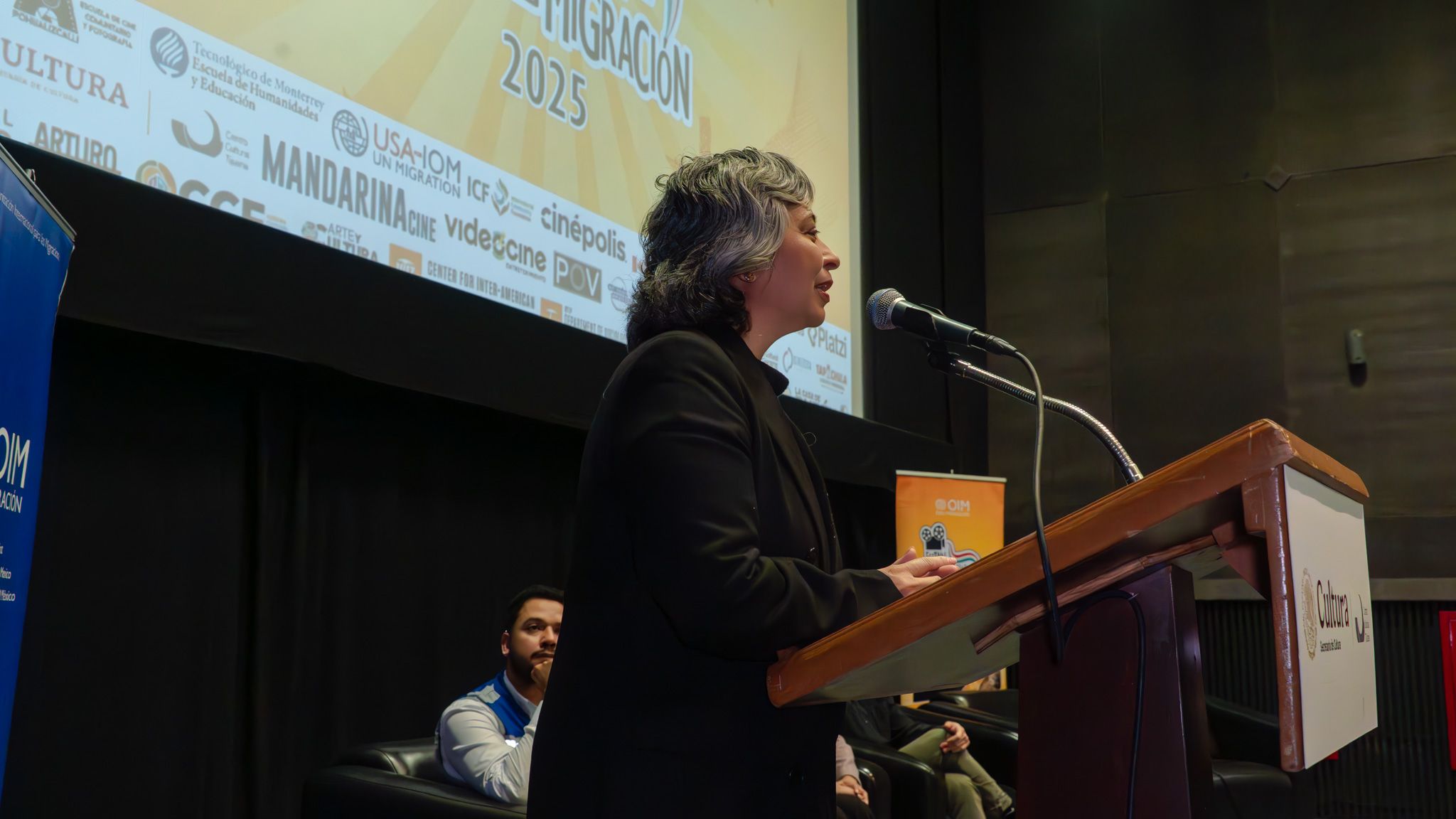
The evening opened with welcoming remarks from Mtra. Miriam García Aguirre, Director of the Centro Cultural Tijuana, who emphasized the importance of cultural venues in fostering reflection, inclusion, and shared understanding through artistic expression. 

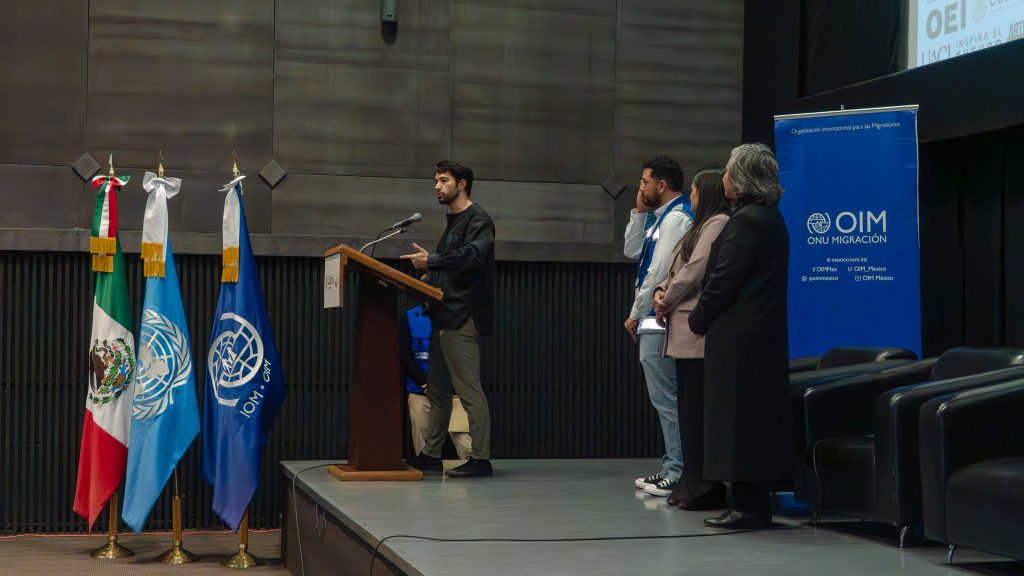
Mtra. Miriam García Aguirre, Director of the Centro Cultural Tijuana (CECUT), and Elena Anguiano, from the Undersecretariat for Attention to Priority Groups of the General Secretariat of Government of Baja California, deliver welcoming remarks at the opening of the GMFF in Tijuana. Photo: IOM/ Karla Garcia, 2025. 

Films That Spark Reflection 

The audience was first introduced to a selection of Cineminutos, short films created by young filmmakers as part of a national competition organized by IOM Mexico, and sponsored by Grupo Planeta, TEC de Monterrey/Puebla Campus, Photography and Cinema Community School Pohualizcalli, and Mexico’s Film Training Center (CCC). These brief works offered creative, thoughtful perspectives on themes of integration, identity, belonging, and community, adding emotional depth and energy to the program. 

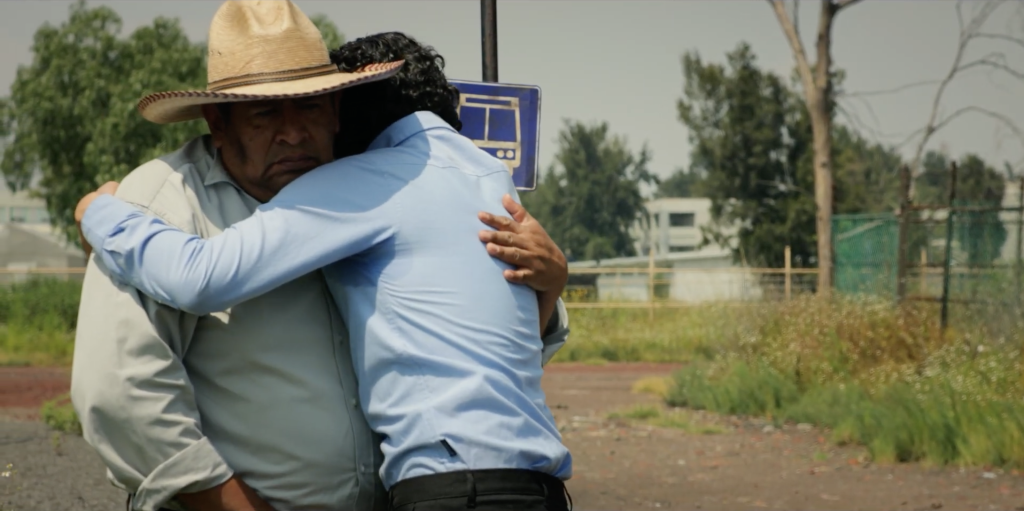
‘Pride’, one of the winning videos of the Cineminutos competition, where 37 teams participated in two categories, documentary and fiction, and the top three winners from each category had the opportunity to showcase their work before all the screenings at the festival.

The screening continued with the exclusive presentation of La Raya by Oaxacan director Yolanda Cruz. The film—shared with this audience ahead of its public release—was met with a strong and emotional response. Blending realism with subtle elements of magical storytelling, La Raya explores uncertainty, hope, and the quiet moments that shape personal journeys. Its intimate tone resonated deeply with viewers and set the stage for thoughtful discussion. 

 La Raya touches on a theme that affects many indigenous communities in the region: the migration of young people and working-age individuals seeking better opportunities, but who also pay the price of leaving behind their language, traditions, parents, and often their children.

Conversation and Connection 

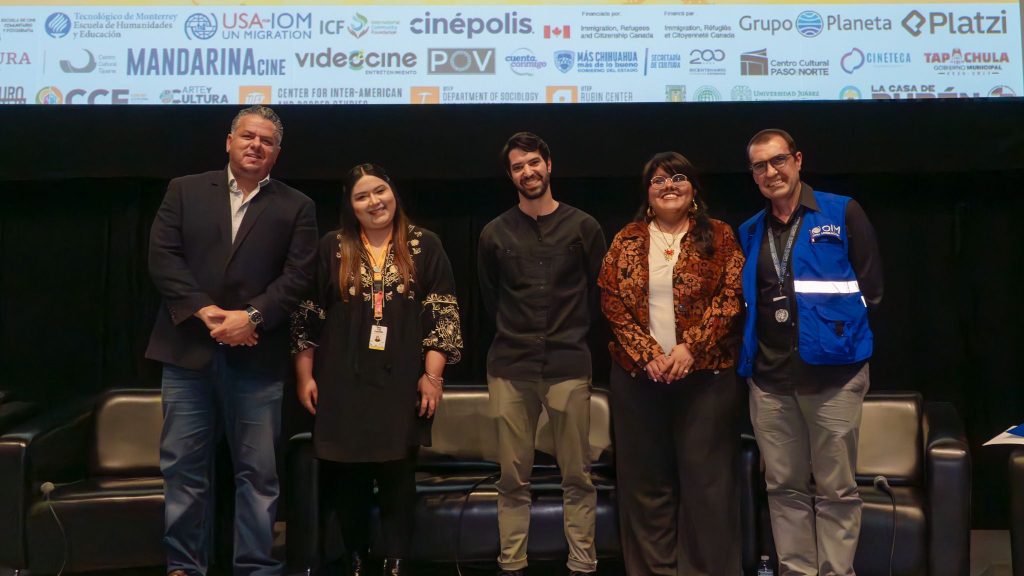
A panel discussion invited participants to reflect on the themes raised by the films and to consider how collaboration across sectors can support inclusion, social and community cohesion. Panelists included Elena Anguiano (SAGP), representatives from Centro 32David Flores from the Entrepreneurship Institute, María José Juárez, from the State Government of Baja California, Alberto Cabezas, Communication Coordinator of IOM Mexico, and USA for IOM participants. 

The conversation emphasized the value of working together—across institutions and disciplines—to create environments where stories are heard and connections are strengthened. 

Panelists gather on stage following the screening at GMFF Tijuana to discuss migrant integration in Mexico and cross-sector collaboration. The panel brought together voices from government, civil society, entrepreneurship, and international cooperation to explore how partnerships can support migrants and host communities alikePhoto: IOM/ Karla Garcia, 2025. 

A Festival with Local Impact 

The Tijuana screening formed part of the eighth edition of the Global Migration Film Festival in Mexico, which took place from November 20 to December 18, 2025. Since its launch in Mexico in 2017, GMFF has reached thousands of people across cities throughout the country, using cinema to foster empathy, challenge stereotypes, and celebrate human stories. 

Since launching the Global Migration Film Festival in 2016, IOM has used the power of film to foster empathy, deepen understanding of migration, and create safe spaces for dialogue around the promises and challenges migrants face. 

In Tijuana, the festival’s closing event offered a moment to pause, reflect, and connect—bringing people together not only to watch films, but to listen, exchange ideas, and imagine what shared futures can look like.  

The Global Migration Film Festival and Tijuana edition was made possible thanks to dedication of IOM Mexico and the collaboration and support of partners committed to fostering dialogue and community through culture. 

As the evening concluded at CECUT, the atmosphere remained warm and reflective. Through film and dialogue, GMFF Tijuana reminded attendees that stories—when shared openly and creatively—have the power to bring communities closer and inspire continued collaboration. 

Opening remarks at the Global Migration Film Festival 2025 in Tijuana highlighting the role of culture and cinema in fostering understanding, inclusion, and migrant integration. Photo: IOM/ Karla Garcia, 2025.